

Before an expert can take the stand, they have to prove they’re actually qualified to be there. It’s not just about having a good résumé, because let’s be clear: paper can hold a lot of information, but that doesn’t make an expert witness qualified.
Expert witness qualification means showing real experience, solid knowledge, and a method the court can trust. It’s about demonstrating that they understand the work, the standards, and the facts of the case. In short, true expert qualification is earned, not assumed.
This article will help you understand what makes an expert witness qualified.
Qualifications for an expert witness
What is the purpose of an expert witness?
The purpose of an expert witness is straightforward: help the Court understand something that requires specialized knowledge. When a case includes complex issues like hospital security, emergency response, threat assessment, access control, or similar technical areas, the Court needs someone who can be trusted and has relevant experience and can explain these complex issues in plain English.
A strong expert witness:
- Clarifies standards, industry practices, and operational realities
- Helps the Court understand what should have happened vs. what did happen
- Provides independent, factual analysis, not advocacy
In many cases, the expert becomes the bridge between complex technical evidence and a fair legal outcome.
At SSMC, we believe an expert witness is part educator and part analyst. Thanks to our security and legal expertise, the purpose of testimony becomes even clearer: help the Court make an informed, fair decision based on professional analysis.
What does it mean to “qualify” as an expert witness?
To qualify, an expert must show they have:
- Specialized knowledge beyond that of an average person
- Substantial experience in real-world settings, solving similar problems
- Recognized training, credentials, and a strong résumé
- Command of the relevant standards, literature, and methodology
- A clear, reliable process for forming opinions
Courts usually look for an expert who can clearly explain how they reached their conclusions and why their methods are valid. For example, in hospital or workplace violence cases, we often demonstrate our qualifications by showing:
- Years of hands-on security leadership
- Comprehensive risk assessments and investigations
- Use of evidence-based industry standards (e.g., IAHSS, OSHA, emergency management frameworks)
- Clear, reproducible analysis methods
In short, what really matters to qualifying as an expert is to prove that the knowledge is real, relevant, and trustworthy.
Evaluating an Expert’s Qualifications
Evaluating an expert witness goes far beyond checking a résumé. Courts, attorneys, and juries are very careful and want to really understand whether the expert is truly qualified, whether their methods are reliable, and whether their opinions are grounded in real-world practice. A strong expert witness is someone who can demonstrate credibility not just on paper, but in how they analyze information and communicate it.
Below are the core elements the Court typically considers.
What is the criteria for an expert witness?
The criteria for becoming an expert witness can vary slightly by jurisdiction, but most courts look for the same fundamental elements:
1. Specialized Knowledge
The expert must have deep, technical knowledge of the subject matter, knowledge beyond that of the average person. This might include hospital security operations, workplace violence prevention, emergency response, or premises liability procedures.
2. Experience Solving Similar Real-World Problems
Hands-on experience is one of the most convincing indicators of expertise. Courts want experts who have experience (not just someone with only a theoretical background); they are looking for professionals who have managed, investigated, or corrected similar situations.
3. Recognized Credentials and Training
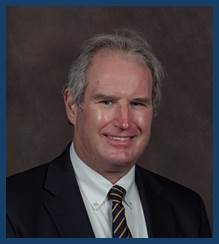
Certifications, formal education, and professional training matter. For example, our president, William S. Marcisz, has advanced security certifications and legal training. This is an uncommon combination that adds credibility during both analysis and testimony.
4. Reliable Methodology
The expert must use accepted methods for reviewing evidence, analyzing information, and forming conclusions. Courts expect documentation, testing, accurate measurements, and reference to established standards.
5. Clear, Understandable Communication
Do you think an expert witness can be disqualified if they cannot explain concepts simply and clearly? The answer is yes. Clear communication is the basis of all human interaction, and in court, clear communication is key. The Court relies on experts to translate complex material into practical terms.
6. Commitment to Objectivity
An expert must be independent, neutral, and honest; qualities that judges and juries value highly.
What are the two types of services provided by expert witnesses?
Expert witnesses generally provide two distinct types of services, each playing a unique role in the litigation process:
1. Consulting Expertise
This work happens behind the scenes, before the trial. It may include:
- Reviewing case materials
- Conducting investigations or site assessments
- Performing risk analyses
- Identifying policy or procedural gaps
- Helping counsel understand industry standards
- Crafting strategies based on the expert’s technical insight
Even though consulting experts do not always testify, they are key to the case. Because their analysis can shape the direction of the case.
2. Testimonial Expertise
This involves appearing in a deposition or trial to explain findings, methods, and professional opinions. Testimonial services include:
- Answering questions from both sides
- Presenting demonstrative materials (charts, models, timelines)
- Explaining complex issues to judges and juries
- Offering objective conclusions supported by evidence
In many cases, especially in hospital security, workplace violence, or premises liability, the credibility of the expert’s testimony can significantly influence the outcome.
What are the duties of an expert witness?
A qualified expert witness has several key duties. These are centered around three important concepts: clarity, honesty, and professional responsibility.
1. Provide Objective and Truthful Opinions
An expert is there to help the Court, not advocate for either side. Neutrality is essential.
2. Base Conclusions on Evidence and Established Standards
Experts must rely on provable facts, recognized guidelines, industry literature, and sound methodology.
3. Explain Complex Issues Clearly
Judges and juries count on experts to simplify technical concepts without distorting them.
4. Prepare Thoroughly
This includes testing, documentation, reviewing evidence, verifying measurements, and organizing testimony.
5. Remain Professional and Composed
Experts must handle cross-examination calmly, respond clearly, and avoid bias or exaggeration.
6. Disclose Limitations
Acknowledging you don’t know something is not a weakness. It takes courage and honesty to say out loud that you are not certain about something. If an expert is uncertain or lacks information, they must say so honestly. Credibility rises when an expert acknowledges what they don’t know.
How does someone become an expert witness?
There is no secret formula to becoming an expert witness, but most follow a similar trajectory:
1. Build Real-World Experience
Experts typically spend years or decades working in their industry. In security consulting, this may include leadership roles, incident investigations, risk assessments, or workplace violence prevention work.
2. Earn Relevant Credentials and Training
Certifications, advanced degrees, and specialized training help demonstrate expertise. At SSMC, our experts combine industry credentials with legal knowledge, which strengthens their credibility in complex cases.
3. Develop Strong Analytical Skills
Experts must be able to review evidence, apply standards, and draw clear, defensible conclusions.
4. Learn How to Communicate Effectively
This includes simplifying technical material, writing clear reports, and delivering steady, confident testimony.
5. Be Recognized by the Court
Ultimately, someone becomes an expert witness when a judge accepts them as one, usually based on résumé, experience, training, methodology, and the clarity of their explanations.
6. Maintain Integrity and Ongoing Professional Development
The best expert witnesses stay active in their field, keep up with evolving standards, and approach every case with honesty and professionalism.
Core Factors That Strengthen Expert Witness Credibility
Credibility is the expert witness’s most valuable asset. It doesn’t matter how impressive the résumé is; if the expert cannot demonstrate sound methods, clear reasoning, and genuine objectivity, their testimony loses impact. The strongest experts combine deep technical knowledge with disciplined analysis and transparent communication.
Below are the core factors that consistently strengthen an expert witness’s credibility in court.
Foundational Expertise
Just like a home needs a solid foundation, a credible expert witness will use verifiable expertise. This is the bedrock upon which all opinions are built.
Knowledge of the specialty area
The expert must understand the subject matter at a level far beyond general familiarity. In fields like hospital security, threat management, or workplace violence prevention, that means being able to explain not only what happened, but what should have happened according to industry standards.
Up-to-date professional information
Standards evolve. Best practices change. A strong expert keeps current with new guidelines, regulatory trends, and emerging risks. Courts value experts who stay actively engaged in their profession.
Substantial history solving similar real-world and theoretical problems
Credibility grows when the expert has encountered comparable situations in practice. A long track record of managing or analyzing similar incidents allows the expert to speak with insight, confidence, and context. It also reassures the court that their opinions are drawn from real experience, not abstraction.
Evidence-Based Practice
A good expert witness doesn’t rely on intuition or opinion. They rely on evidence, and they can explain their approach clearly.
Opinions supported by admitted evidence
Every conclusion must tie directly back to the facts of the case. Courts expect a transparent connection between findings, evidence, and the expert’s reasoning.
Use of standard formulas and proven methodologies
Whether analyzing risk, incident response, physical security design, or staffing levels, the expert must use established, accepted methods. This helps the court understand how the expert reached their conclusions and demonstrates that the process was reliable.
Proper testing, documentation, and factual verification
Thorough measurements, detailed notes, accurate timelines, and clear documentation add significant weight to testimony. Experts who test assumptions, validate data, and verify details stand out as disciplined and dependable.
Professional Authority
Authority is not about ego; it’s about demonstrating that the expert’s background, training, and experience support the opinions being offered.
Strong résumé and credentials
Courts and attorneys look for indicators of professional depth: advanced degrees, certifications, leadership roles, specialized training, and industry recognition. At SSMC, the combination of security expertise and legal experience provides a unique layer of professional authority, especially in healthcare and workplace violence cases.
Alignment with recognized literature
Credible experts reference authoritative sources, industry standards, and respected publications. Citing the literature shows the court that the expert’s conclusions align with accepted knowledge in the field.
Irrefutable scientific, technical, or factual support
Strong testimony rests on solid data. The expert must be prepared to show the scientific, technical, or factual foundation for each opinion. When evidence is clear and well-supported, cross-examination becomes much less challenging.
Qualifications of an expert witness FAQ’s
Assessing credibility comes down to evaluating both the expert’s background and their behavior.
Here’s what to look for:
- Experience that matches the case
Have they handled similar issues in real-world settings?
- Strong credentials and recognized training
Certifications, advanced education, and industry involvement matter.
- Methodology and evidence
Are their opinions backed by testing, documentation, and accepted standards?
- Clear, understandable communication
Can they explain complex issues in simple terms?
- Neutrality
Do they demonstrate independence, or do they sound like an advocate?
- Consistency
Do their statements align with the facts, the literature, and their own reports?
Credible experts project professionalism, integrity, and confidence through every part of the process, from initial analysis to courtroom testimony.
Conclusion
Expert witness qualification is about far more than titles or years on a résumé. Courts expect experts to demonstrate proven experience, sound methodology, and deep familiarity with industry standards. A well-qualified expert can connect evidence to real-world practices, explain complex topics clearly, and maintain objectivity throughout the process.
When these elements come together, specialized knowledge, professional authority, and evidence-based practice, the court gains confidence that the expert’s opinions are reliable. This foundation sets the stage for effective, credible testimony in the next phase of the case.
Free Consultation from Board-Certified Security Witnesses
If your case involves questions of security, workplace violence, hospital operations, or organizational risk, selecting the right expert witness is critical. SSMC brings a unique blend of security expertise and legal insight to complex litigation.
At SSMC, we bring a unique blend of security expertise and legal knowledge to every case. Our President and Chief Consultant, William S. Marcisz, JD CPP CHPA, offers decades of hands-on security leadership paired with deep experience in litigation, hospital operations, and complex investigations. This combination gives our clients and the courts expert opinions they can trust.
We provide:
- Security Expert Witness Services
- Workplace Violence Consulting
- Hospital & Healthcare Security Expertise
- Comprehensive Security Program Assessments
Whether you’re an attorney preparing for trial or an organization seeking guidance, our team ensures your case is backed by credible, evidence-based expertise. Contact us through our contact form or call/text us at (407) 385-9167.