

Hospitals should hire a healthcare security consultant when leaders see rising safety concerns, recurring incidents, staff fear, outdated procedures, major facility changes, or uncertainty about whether current plans are enough to maintain a safe environment. The right consultant helps leadership review risk, improve prevention planning, and make practical decisions before a serious event defines the conversation.
Hospitals often sense a shift before the data looks dramatic. A nurse says the emergency department feels different. A risk manager sees the same type of incident showing up again. A facilities leader realizes a renovation is changing how people enter, wait, and move through the building.
That is the point where outside guidance can help. Not because the hospital has failed, but because healthcare security is complicated. Hospitals are open to the public, full of emotion, and responsible for patients, visitors, employees, vendors, and clinicians.
A healthcare security consultant helps hospital leaders see risks clearly, set priorities, and plan improvements that fit how care is delivered. This article focuses on when to bring in that help. For a broader foundation, Strategic Security Management Consulting (SSMC) also explains what healthcare security entails for hospitals and other healthcare facilities.
Key Takeaways About Healthcare Security
Hospitals should consider hiring a healthcare security consultant before safety concerns become recurring incidents, staff injuries, patient disruption, or avoidable leadership uncertainty.
- A healthcare security consultant is most valuable when leaders need an independent review of risk, policies, procedures, physical security planning, or workplace violence prevention.
- Common reasons to seek support include serious incidents, recurring threats, emergency department concerns, facility expansion, weapons concerns, visitor management problems, and outdated procedures.
- A hospital security consultant helps leaders identify what is happening, what is missing, and what should be addressed first.
- Hospital security consulting should strengthen care delivery without making the facility feel closed off or hostile.
- New technology should support a clear security strategy, not replace one.
- Outside review can help executives, legal teams, risk managers, facilities leaders, and workplace violence prevention teams make better-documented decisions.
- Strategic Security Management Consulting (SSMC) combines healthcare security consulting experience with legal and expert witness perspective, helping hospitals evaluate risk in a practical, defensible way.
Overview: When to Hire a Healthcare Security Consultant
Use this table as a quick decision guide. If one or more of these situations sound familiar, it may be time for hospital leadership to bring in outside healthcare security consulting support.
| Situation | What Hospital Leaders May Be Seeing | How a Healthcare Security Consultant Helps |
|---|---|---|
| One serious security incident or near miss | A patient, visitor, or employee safety event raises concern about response, prevention, or documentation | Reviews what happened, identifies planning gaps, and helps leadership avoid rushed decisions |
| Repeat workplace violence concerns in the same department during one quarter | Threats, assaults, intimidation, or staff fear keep showing up in emergency, behavioral health, registration, or patient care areas | Reviews reporting, escalation, prevention planning, and post-incident follow-up |
| Staff report that they no longer feel safe | Employees are asking for more support, avoiding certain areas, or expressing concern to supervisors | Helps leadership separate perception, pattern, and risk so the response is targeted |
| Emergency department security concerns | Long waits, family conflict, behavioral health presentations, law enforcement drop-offs, or visitor disputes create pressure points | Reviews access, movement, visitor flow, staff safety concerns, and response procedures |
| A major renovation, expansion, or new entrance is being planned | New layouts may change access points, waiting areas, patient flow, parking routes, or staff-only zones | Helps build security considerations into planning before costly changes are needed later |
| Visitor management problems | Visitors bypass procedures, enter restricted areas, stay after hours, or create conflict with staff | Helps review access procedures, communication, signage, and escalation steps |
| Weapons concerns or screening questions | Leadership is unsure how to evaluate entry risk, weapons policies, or practical response options | Reviews physical access points, policy alignment, and planning considerations |
| Outdated policies or inconsistent procedures | Written procedures do not match daily practice, or departments handle similar incidents differently | Helps compare policy language with real operations and improvement priorities |
| Board, legal, insurance, or risk management concern | Leadership needs a clear, independent view of the hospital’s current security posture | Provides objective findings and practical next-step recommendations |
Healthcare Security Consultant: What Role Do They Play in a Hospital?
A healthcare security consultant helps hospital leaders evaluate safety risks, review policies, and plan practical improvements for a care environment. The role is not limited to one issue. It connects workplace violence prevention, access control, visitor management, facility design, emergency department concerns, and leadership decision-making.
A hospital is not a typical business site. People arrive scared, angry, sick, grieving, confused, or under pressure. Staff are expected to provide care, communicate clearly, and stay calm, even when behavior around them becomes unpredictable.
That is why healthcare security consulting has to be grounded in how hospitals work. A consultant should understand clinical access, public entry points, patient rights, visitor expectations, emergency operations, behavioral health concerns, and the pressure staff face during high-stress interactions.
The consultant’s job is to help leadership answer direct questions:
- What risks are we seeing?
- Are those risks isolated, or do they show a pattern?
- Do our policies match daily operations?
- Are employees reporting concerns early enough?
- Are we making decisions based on risk, or reacting to pressure?
- What should we improve first?
Strategic Security Management Consulting approaches healthcare security consulting from both operational and legally informed perspectives. That is important because hospital decisions may be reviewed later by leadership, regulators, insurers, attorneys, or courts. A good recommendation should be practical for the facility, clear to the people using it, and supported by a sound review process.
When Should a Hospital Hire a Healthcare Security Consultant?
A hospital should hire a healthcare security consultant when risk becomes harder to explain, manage, or prioritize internally. That may happen after an incident, during a rise in workplace violence concerns, before a facility change, or when leaders need an independent review of policies, procedures, and prevention planning.
The decision does not always begin with a dramatic event. Sometimes it begins with a pattern. More staff complaints. More visitor disputes. More tension in the emergency department. More uncertainty about whether the current plan still fits the hospital.
When those concerns keep repeating, outside review can help leadership separate noise from risk. That is where a healthcare security consultant can give structure to the conversation.
Are Workplace Violence Incidents Increasing?
If threats, assaults, intimidation, or disruptive behavior are increasing, a hospital should consider outside healthcare security consulting support. A consultant can review whether reporting, response, prevention planning, and follow-up procedures are sufficient for the risks employees face.
Workplace violence in healthcare is not a side issue. OSHA states that healthcare accounts for nearly as many serious violent injuries as all other industries combined, and many threats or assaults go unreported. According to OSHA, prevention programs should help facilities recognize, evaluate, and respond to workplace violence risks in healthcare settings.
When incidents rise, hospital leaders should ask:
- Are employees reporting threats consistently?
- Are departments using the same escalation process?
- Are post-incident reviews leading to real changes?
- Are repeat locations, repeat behaviors, or repeat times being tracked?
- Are staff members confident that leadership is acting?
A consultant can help the hospital move from incident-by-incident response to a prevention-focused plan. That may include reviewing reporting practices, workplace violence prevention procedures, department-level risks, and leaders’ evaluations of corrective actions after events.
For Strategic Security Management Consulting, this is a natural point of connection to healthcare workplace violence consulting. The goal is not to create fear. The goal is to help leaders recognize warning signs before the next event becomes worse.
Did a Serious Security Incident or Near Miss Occur?
After a serious security incident or near miss, a hospital should bring in a healthcare security consultant when leadership needs an objective review. The consultant can help identify what happened, what procedures applied, where gaps may exist, and what next steps are reasonable.
A near miss deserves attention because it may reveal the same weaknesses as a serious event. Maybe a visitor entered a restricted area. Maybe the staff could not reach help quickly. Maybe a threat was reported but not escalated. Maybe a department improvised because the written procedure did not match the situation.
Those moments should not be brushed aside.
A post-incident review should help leadership answer:
- What was known before the event?
- Were concerns documented?
- Which policies applied?
- Did staff understand what to do?
- Were the communication steps clear?
- Did physical layout, access, or visitor flow contribute?
- What corrective actions are realistic?
The risk after a serious event is overreaction. Leadership may feel pressure to buy equipment, rewrite policies quickly, or make public-facing changes before the problem is fully understood. That can create a second problem: expensive changes that do not address the root issue.
A healthcare security consultant helps slow the decision down enough to make it better. Not slow as in delay, but slow as in careful, structured, and documented.
Are Staff Saying They No Longer Feel Safe?
If staff members say they no longer feel safe, hospital leaders should take that seriously and consider a healthcare security consultant. Staff perception can reveal issues that incident reports miss, especially when employees stop reporting concerns because they believe nothing will change.
Healthcare employees often notice risks before leadership sees them in a formal report. They know which entrances feel vulnerable. They know which waiting areas become tense. They know when a procedure sounds good on paper but does not work during a busy shift.
When staff confidence drops, the hospital may see:
- Employees avoiding certain areas
- Staff asking for escorts
- Increased frustration during shift changes
- More informal complaints than formal reports
- Departments creating their own workarounds
- Lower trust in reporting systems
- More concern after visitor disputes or patient threats
A consultant can help leadership listen to staff without turning every concern into a single sweeping conclusion. That balance matters. The hospital needs to understand where fear is tied to a specific risk, where communication needs improvement, and where procedures need to be clearer.
This is also an employee retention issue. If staff believe the hospital is not taking safety concerns seriously, morale can suffer. So can patient care. A safer care environment supports the people delivering care.
Are Visitor Management Problems Becoming More Frequent?
If visitor management problems are becoming more frequent, hospitals should consider outside consulting before those problems turn into safety events. Visitor access affects patient privacy, staff safety, restricted areas, after-hours operations, and the overall tone of the facility.
Hospitals need to be open enough to support care and keep families connected. They also need to know who is entering, where visitors are going, and how staff should respond when behavior changes.
Common warning signs include:
- Visitors bypassing check-in steps
- Confusion about after-hours access
- Visitors entering restricted or staff-only areas
- Repeated conflict at registration or nursing stations
- Family disputes moving into patient care areas
- Departments applying visitor rules differently
- Staff unsure when to escalate visitor behavior
A healthcare security consultant can review visitor flow, access procedures, signage, interdepartmental communication, and escalation practices. The goal is not to make the hospital feel cold. The goal is to make access clearer, safer, and easier for staff to manage.
Visitor management is also a common place where policy and practice drift apart. The policy may say one thing, but a busy department may do something different because the process is confusing or hard to enforce. That is where outside review can help leadership see the friction points.
Are Weapons Concerns or Access Control Issues Increasing?
If concerns about weapons or access control issues are increasing, hospital leaders should bring in a healthcare security consultant before choosing a solution. A consultant can help evaluate entry points, policy alignment, response procedures, visitor flow, and the operational impact of different options.
Weapons concerns are emotional, and understandably so. But hospitals need thoughtful planning, not rushed decisions. A change at one entrance can affect emergency access, patient flow, visitor wait times, staffing workflows, and department communication.
Access control concerns may include:
- Too many uncontrolled entry points
- Doors being propped open
- Confusion over restricted areas
- Vendor or contractor access concerns
- Inconsistent badge or visitor procedures
- Lack of clarity during high-risk events
- Delayed communication when an access issue occurs
A consultant can help leadership look at the full picture before making changes. That includes how people enter the facility, how they move through it, how staff identify concerns, and how procedures work during peak hours.
For healthcare facilities, access control has to support both safety and care. That takes planning. Hospitals cannot simply copy a courthouse, school, airport, or corporate office model and assume it will fit.
Hospital Security Consulting Before a Crisis: Why Proactive Review Matters
Proactive hospital security consulting helps leaders review risk before pressure, fear, or litigation drives the response. It gives hospitals a calmer way to compare options, prioritize improvements, and make decisions before a serious incident narrows the timeline.
Many hospitals call for help after something has happened. That is understandable. A serious event gets attention quickly.
But a proactive review gives leadership more room to think.
Before a crisis, staff can speak candidly. Departments can explain what is working and what is not. Leaders can compare options without feeling pushed into a rushed purchase or policy change. The hospital can decide what should happen first, what can wait, and what needs more evidence.
Proactive consulting is especially useful when incident trends are moving in the wrong direction, the emergency department is under pressure, a renovation is being planned, policies feel outdated, leadership is considering new technology, or the board wants a clearer view of risk.
That is the value of calling early. A healthcare security consultant helps the hospital move from concern to a clear plan before the next incident forces the conversation.
Healthcare Workplace Violence Prevention: When Outside Guidance Helps
Healthcare workplace violence prevention is one of the clearest reasons to bring in outside consulting support. If incidents are rising, reporting is inconsistent, staff are unsure what to do, or leaders cannot tell whether the current program is working, a healthcare security consultant can help review the program and organize the next steps.
This section should not be read as a legal checklist. It is a practical leadership prompt. If the hospital’s workplace violence prevention process feels scattered, outdated, or reactive, it may need a fresh review.
Hospitals may need outside guidance when:
- Employees are reporting threats, assaults, intimidation, or harassment
- Different departments respond to similar events in different ways
- Staff do not know when or how to escalate concerns
- Incident reports are incomplete or hard to compare
- Follow-up after events is informal or inconsistent
- Training does not reflect the risks employees face during patient care
- Leaders cannot easily explain what the program is doing to reduce risk
The Joint Commission’s National Performance Goals chapter becomes effective January 1, 2026. For hospitals, NPG.02.04.01 requires a workplace violence prevention program with leadership responsibility, multidisciplinary involvement, incident reporting and trend analysis, victim and witness support, governing body reporting, staff training, and annual worksite analysis.
For Strategic Security Management Consulting, proactive consulting is about helping hospitals make security decisions with discipline. Where is the risk? What evidence supports that concern? Which improvements should come first? What can wait? What will help staff? And what will hold up if someone reviews the decision later?
Those are leadership questions. A healthcare security consultant helps answer them before a crisis writes the timeline for you.
Emergency Department Security Concerns That May Signal It Is Time for a Consultant
Emergency department security concerns may signal the need for a consultant when incidents, visitor disputes, behavioral health challenges, or staff safety concerns begin repeating. The emergency department is often the public front door of the hospital, so leaders need a plan that fits speed, stress, access, and patient care.
The emergency department is different from other parts of the hospital. People arrive without appointments. Families may be scared. Patients may be in pain, intoxicated, confused, angry, or in a behavioral health crisis. Law enforcement may bring patients in. Staff may have to make quick decisions while the waiting room is already full.
That pressure can expose weak points fast.
A healthcare security consultant can help hospital leaders review ED-related concerns such as:
- How patients, visitors, vendors, and others enter the emergency department
- Whether visitor flow creates conflict at registration, triage, or treatment areas
- How staff communicate when behavior begins to escalate
- Whether restricted spaces are clear and consistently protected
- Whether staff understand how to report threats or threatening behavior
- How behavioral health presentations affect safety and response planning
- Whether the physical layout supports safe movement for staff and patients
- How parking areas, ambulance bays, and entrances affect risk
The goal is not to turn the emergency department into a locked-down space. That would not fit most care environments. The goal is to help leaders understand where the ED is vulnerable and what practical improvements can reduce confusion.
For example, a hospital may have a policy for disruptive visitors, but staff may not apply it the same way during a packed evening shift. Or the ED may have several entry points that make sense for patient access, but create confusion when a threat is reported. Those are the types of operating details a consultant can help review.
If the ED keeps showing up in incident reports, staff complaints, or leadership discussions, it is probably time to stop treating each event as a separate incident. A consultant can help connect the pattern.
Hospital Security Risk Assessment: When Is It Time for a Fresh Review?
A hospital security risk assessment may be needed when the facility has changed, incidents have increased, policies are outdated, or leadership lacks a clear picture of current risk. A fresh review helps hospitals identify gaps, prioritize improvements, and determine whether current security planning still aligns with daily operations.
A hospital may need a fresh security risk assessment when:
- The last review was completed before recent facility, patient population, or operational changes
- Incident trends show repeat concerns in the same areas
- Leadership cannot tell which improvements should come first
- The hospital is considering new security technology without a risk-based plan
- Staff concerns are increasing, but documentation is inconsistent
- Visitor management and access procedures are being questioned
- Workplace violence prevention efforts need stronger structure
- A board, legal team, insurer, or executive group requests an independent view
A risk assessment helps turn scattered concerns into a usable plan. It can show leaders where the hospital is exposed, where existing practices are working, and where improvement is most urgent.
The most useful assessments help leaders prioritize. That is important because hospitals rarely have unlimited time, budget, or staff attention. A consultant should help separate urgent needs from lower-priority improvements so leadership can act with confidence.
For hospitals, the timing of the assessment is often just as important as the assessment itself. The best time is before major decisions are made, not after a large purchase, renovation, or incident response has already narrowed the options.
Facility Changes, Renovations, and New Construction: Bring Security in Early
Facility changes can quickly reshape hospital security risk. A new entrance, expanded emergency department, renovated lobby, changed parking pattern, or new patient care area can affect access, visibility, movement, visitor flow, and response planning.
This is one of the best times to involve a healthcare security consultant. Security is easier to plan during design than to correct after construction is finished.
Hospital leaders should consider consulting support during:
- New hospital construction
- Emergency department expansion
- Behavioral health space redesign
- Lobby or main entrance renovation
- Parking garage or parking lot changes
- New outpatient or ambulatory care buildings
- Changes to loading docks, vendor access, or staff-only entrances
- Mergers, acquisitions, or systemwide facility standardization
A consultant can help leadership ask useful planning questions before the project is too far along:
- Where will patients, visitors, staff, vendors, and contractors enter?
- Which areas should be public, limited access, or staff-only?
- How will visitors move from entry to destination?
- Will staff have safe paths during high-stress events?
- Are waiting areas visible and manageable?
- Do physical changes support workplace violence prevention planning?
- Will security procedures still work after the layout changes?
Planning early can prevent expensive fixes later. A door location, reception point, waiting room layout, or access route may seem minor on a drawing. In daily hospital operations, those details can affect staff safety, patient flow, and response time.
Security planning should support healing, access, and care. The right consultant helps leaders build that balance into the project while there is still time to adjust.
Policies, Procedures, and Post-Incident Reviews: Are They Still Working?
Policies and procedures may need review when they no longer match how the hospital operates. If staff follow informal workarounds, departments respond differently, or post-incident reviews do not lead to change, a healthcare security consultant can help determine whether the program needs revision.
Most hospitals have written policies. The harder question is whether those policies are current, understood, and usable during stressful moments.
A policy may look fine in a document but fail during daily operations because:
- Staff do not know it exists
- The language is unclear
- The process is too difficult during a busy shift
- Different departments interpret it differently
- Supervisors handle similar incidents in different ways
- Reporting steps are too slow or confusing
- Post-incident reviews do not lead to clear action
That is where outside review can help. A consultant can compare written procedures with how the hospital functions during a normal day, a busy shift, and a high-stress event.
Post-incident reviews are especially important. After a disruptive event, leaders should be able to answer several practical questions:
- What happened?
- Who was affected?
- What was reported before the event?
- Which procedures applied?
- Were staff trained on those procedures?
- Did communication work?
- Did the environment contribute to the problem?
- What corrective action was assigned?
- Who is responsible for follow-up?
If the hospital cannot answer those questions with confidence, the process may need improvement.
SSMC can help hospitals look at policies, procedures, and incident review practices through a practical and legally informed lens. That does not mean turning every policy into legal language. It means helping leadership make sure the written program supports real people during real events.
Common Misconceptions About Hiring a Healthcare Security Consultant
Hospitals sometimes wait too long to call a healthcare security consultant because of assumptions about what consulting means. Clearing up those misconceptions can help leaders make better decisions before concerns become larger safety, operational, or legal problems.
A consultant should not make the hospital feel judged. The right consultant helps leadership see the risk more clearly, organize the facts, and decide what should happen next.
| Misconception | Better Way to Think About It |
|---|---|
| “We only need help after a serious incident.” | Outside review can be even more useful before an incident, when leaders have time to compare options and plan carefully. |
| “Our internal team already knows the facility.” | Internal knowledge is valuable, but an outside consultant can bring objectivity and healthcare-specific comparison. |
| “A consultant will just recommend expensive changes.” | A strong consultant should help prioritize improvements based on risk, feasibility, and leadership goals. |
| “New technology will solve the problem.” | Technology can support a plan, but it should not replace sound policies, procedures, training, and decision-making. |
| “Healthcare security is just like commercial security.” | Hospitals have open access, patient care duties, visitors, behavioral health concerns, and workplace violence risks that require healthcare-specific review. |
| “Calling a consultant means leadership failed.” | Calling early often shows leadership discipline, especially when staff safety, patient care, and risk management are involved. |
The honest reality is that many hospitals already know where some concerns are. The problem is that those concerns may be scattered across incident reports, staff comments, leadership meetings, policy questions, and department-level workarounds.
A healthcare security consultant helps bring those pieces together. That way, leaders are not making decisions based on a single loud incident, a frustrated email, or an urgent meeting.
Common Mistakes Hospitals Make Before Calling a Healthcare Security Consultant
Hospitals often wait until the pressure is high before asking for outside help. By that point, leaders may feel pressured to act quickly, but hasty decisions are not always the best.
The following mistakes are common because they are understandable. Hospitals move fast. Leaders are busy. Staff wants answers. But those are also the reasons a structured review can be useful.
Buying Technology Before Understanding the Risk
Buying technology before understanding the risk can lead to expensive tools that do not solve the problem. Hospitals should first define the concern, review how people move through the facility, and determine whether the proposed tool supports the larger security plan.
Technology may be appropriate in some settings. Cameras, access control systems, visitor systems, duress options, and weapons detection tools can all have a place when they are tied to a clear plan.
The mistake is starting with the product instead of the problem.
A consultant can help leaders ask better questions:
- What risk are we trying to reduce?
- Where is that risk showing up?
- What will staff need to do differently?
- How will the tool affect patients and visitors?
- How will success be measured?
- What policies or procedures need to change with it?
That kind of review helps leadership avoid buying something that looks reassuring but does not fix the weak point.
Treating Every Incident as an Isolated Event
Treating every incident as isolated can cause hospitals to miss patterns. A healthcare security consultant can help leadership compare incidents by location, time, behavior, department, response, and follow-up so repeat problems are easier to see.
One disruptive visitor may be a single event. Three similar visitor conflicts in the same area may tell a different story.
Patterns may appear in:
- A specific entrance
- A registration desk
- A waiting area
- A behavioral health space
- A parking area
- A shift change
- A visitor process
- A reporting gap
When incidents are reviewed one by one, the hospital may respond one by one. That can make the program feel busy without making it better.
A consultant can help leaders step back and ask, “What are these events telling us as a group?”
Updating Policies Without Checking Real-World Practice
Updating policies without checking real-world practice can create a false sense of progress. A policy may look improved on paper, but it will not help much if staff cannot follow it during a busy shift or do not understand when it applies.
Hospitals should review how procedures work during daily operations, not only how they read in a manual.
A consultant may compare:
- Written policy language
- Department-level procedures
- Staff interviews
- Incident documentation
- Training content
- Physical layout
- Communication practices
- Post-incident follow-up
That comparison can reveal where the policy is too vague, too complex, or disconnected from the way the hospital functions.
The best security policies are clear enough to use under pressure. If a nurse, registration employee, supervisor, or department leader cannot understand the expected step in the moment, the policy needs more than editing. It needs operational review.
Waiting Until Staff Lose Confidence
Waiting until staff lose confidence can make every future decision harder. When employees believe leadership is not listening, even good changes may be met with doubt.
Staff safety concerns deserve attention before frustration becomes resignation, disengagement, or fear. That does not mean every concern will lead to the same type of action. It means the concern should be heard, reviewed, and placed in context.
A healthcare security consultant can help leadership evaluate staff concerns without turning the process into a rumor-control exercise. The consultant can look for patterns, compare perceptions with incident data, and identify where communication or procedure needs improvement.
Hospitals run on trust. Staff need to trust that leadership will listen. Patients need to trust that the environment supports care. Leaders need to trust that their decisions are grounded in a clear risk assessment.
When that trust starts to weaken, calling for outside guidance is not a sign of panic. It is a sign that the hospital is taking the concern seriously.
How to Decide if You Need to Hire a Healthcare Security Consultant
A Question-Based Framework for Hospital Leaders
A question-based framework helps hospital leaders decide whether it is time to hire a healthcare security consultant. If the answers to several questions are unclear, disputed, or largely based on assumptions, an outside review may help the hospital move from concern to action.
Use these questions in leadership meetings, workplace violence prevention discussions, facility planning, or risk management reviews.
What Has Changed in Our Risk Environment?
Hospitals should ask what has changed in patient volume, visitor behavior, community conditions, facility layout, department pressure, incident patterns, or staff concerns. Security plans can become outdated when the environment changes faster than policies and procedures.
Changes do not need to be dramatic to be meaningful. A new entrance, busier emergency department, increased behavioral health presentations, or repeated visitor disputes can all change the risk picture.
Are Our Policies Current, Practical, and Followed?
Policies should be current, practical, and followed in daily operations. If written procedures differ from what staff do during busy shifts, the hospital may need a consultant to review whether the policy is usable, understood, and aligned with current risk.
A policy that nobody follows is not a strong safeguard. It may even create confusion when a serious event is reviewed later.
Are Staff Reporting Concerns Before They Escalate?
Staff should know how to report threats, intimidation, disruptive behavior, and safety concerns before they escalate. If employees report informally, inconsistently, or only after a serious event, the hospital may not have enough information to prevent repeat problems.
Reporting should feel clear, accessible, and worth doing. If staff believe reports disappear into a file, they may stop using the system.
Do We Know Which Improvements Matter Most?
Hospital leaders should know which improvements are most urgent, which can wait, and which need more evidence. If every concern feels equally important, a healthcare security consultant can help prioritize risk and turn competing concerns into a clearer action plan.
This is where an outside perspective can be especially useful. A consultant can help leadership avoid treating the loudest concern as the most important one.
Would Our Decisions Be Defensible If Reviewed Later?
Hospital security decisions should be practical, documented, and based on a reasoned review of risk. If leadership cannot explain why a decision was made, what information was considered, or how priorities were set, outside consulting may help strengthen the process.
This is a natural part of SSMC’s value. With experience in security consulting, legal, and vast experience serving as an expert witness, SSMC understands that hospital decisions may be reviewed long after the meeting ends.
That does not mean every decision has to be perfect. It means decisions should be thoughtful, supported, and tied to the information available at the time.
What Hospital Leaders Should Expect From Healthcare Security Consulting
Healthcare security consulting should give hospital leaders a clearer view of risk and a practical path forward. The process should help the facility move from scattered concerns to organized findings, priorities, and next steps.
A strong consulting engagement usually begins with listening. What is leadership worried about? What are employees reporting? What incidents have occurred? What decisions are already on the table?
From there, a healthcare security consultant may review:
- Existing policies and procedures
- Incident reports and trend information
- Workplace violence prevention efforts
- Visitor management practices
- Access control concerns
- Emergency department pressure points
- Facility layout and movement patterns
- Staff safety concerns
- Post-incident review practices
- Planned construction, expansion, or renovation issues
The best consulting work does not end with a list of problems. Hospital leaders need priorities. What should be addressed first? Which issues create the greatest risk? Which changes are realistic? Which improvements require leadership approval, capital planning, staff training, or policy updates?
That is where outside consulting can be especially useful. A consultant can help leadership separate urgent concerns from lower-priority improvements. That helps the hospital avoid scattered decision-making.
A good final work product should be clear enough for decision-makers to use. Hospital executives, legal teams, risk managers, facilities leaders, and workplace violence prevention teams should be able to understand the findings and see the logic behind the recommendations.
Why SSMC Is a Strong Fit for Hospital and Healthcare Security Consulting
Hospitals need guidance from someone who understands healthcare operations, workplace violence prevention, physical security planning, and the way decisions may be reviewed later. SSMC brings that mix of practical security consulting and legally informed judgment to healthcare clients.
Strategic Security Management Consulting serves healthcare organizations, hospitals, commercial facilities, educational environments, hospitality settings, government-related clients, and other complex properties across the United States.
For healthcare clients, that experience is important. Hospitals are open, emotional, and highly active environments. A recommendation that works in one commercial property may not fit a hospital emergency department, behavioral health area, outpatient clinic, or patient care unit.
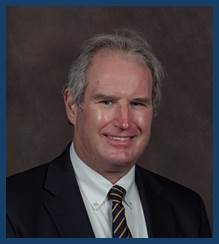
SSMC’s President and Chief Consultant, William S. Marcisz, JD, CPP, CHPA, brings a rare combination of security, healthcare, legal, and expert witness experience. That background helps hospitals think about more than a single incident or single purchase. It helps leadership ask better questions about risk, reasonableness, documentation, prevention, and implementation planning.
That kind of guidance can be valuable when a hospital is dealing with workplace violence concerns, outdated procedures, staff safety issues, facility changes, visitor management problems, or uncertainty about whether current plans are enough.
Hospitals do not need generic advice. They need advice that respects patient care, staff safety, operational limits, and leadership responsibility. That is where SSMC can help.
FAQs About Hiring a Healthcare Security Consultant
These questions reflect common concerns from hospital executives, risk managers, legal teams, facilities leaders, and workplace violence prevention teams.
Is a healthcare security consultant only needed after an incident?
No. A healthcare security consultant is often more useful before a serious incident occurs. Proactive consulting gives hospital leaders time to review risk, listen to staff, compare options, and plan improvements without the pressure that often follows a major event.
Post-incident consulting can still be valuable, especially when leadership needs an objective review. But waiting for an incident should not be the default plan.
What information should a hospital prepare for before the first consultation meeting?
A hospital should prepare basic information about current concerns, recent incidents, policies, facility changes, and leadership goals. The first conversation does not need to solve the problem. It should help the consultant understand why the hospital is asking for help now.
Helpful items may include:
- Recent incident summaries
- Current policies and procedures
- Workplace violence prevention documents
- Facility maps or project plans
- Known access or visitor management concerns
- Staff safety concerns or department feedback
- Questions from leadership, legal, risk, or the board
Can a healthcare security consultant support leadership after a near miss?
Yes. A healthcare security consultant can help leadership review a near miss before it becomes a more serious event. A near miss may reveal problems with reporting, access, communication, visitor movement, staff response, or policy clarity.
The value is in learning early. If a visitor reached a restricted area, a threat was not escalated, or staff were unsure what to do, leadership should not wait for a worse outcome to review the process.
How can hospitals tell whether their workplace violence prevention program needs review?
A workplace violence prevention program may need review when reporting is inconsistent, incidents are increasing, staff are unsure how to escalate concerns, or leaders cannot clearly explain how the program reduces risk. The Joint Commission’s 2026 National Performance Goals also place attention on leadership responsibility, training, reporting, trend analysis, and annual worksite analysis.
Warning signs may include:
- Departments handling similar incidents differently
- Staff reporting concerns informally instead of through the process
- Limited post-incident follow-up
- Training that does not match current risks
- Weak trend analysis
- Unclear reporting to leadership or the governing body
What is the difference between a healthcare security consultant and a general security consultant?
A healthcare security consultant understands the unique pressures hospitals and healthcare facilities face. Hospitals must manage public access, patient care, visitor management, behavioral health concerns, emergency department activity, staff safety, privacy expectations, and high-stress interactions simultaneously.
A general security consultant may understand physical security concepts. A healthcare security consultant should understand how those concepts apply in a care environment, where safety planning must support clinical operations.
Conclusion: Do Not Wait Until the Warning Signs Become the Story
Hospitals often see warning signs before a major incident occurs. Staff concerns increase. Visitor disputes repeat. Policies drift away from daily practice. The emergency department feels more tense. Leadership starts asking whether the current program is enough.
Those are the moments when a healthcare security consultant can help.
The right consultant gives hospital leaders a clearer view of risk, a more organized decision process, and a practical path forward. That support can help the hospital avoid rushed decisions, improve prevention planning, and make security choices that fit the care environment.
If your hospital is asking whether it is time to bring in outside help, that question deserves attention. It may be the right time to step back, review the facts, and plan the next move with confidence.
Talk With SSMC About Healthcare Security Consulting
If your hospital is facing workplace violence concerns, emergency department pressure, outdated procedures, visitor management issues, facility changes, or questions about current security planning, SSMC can help you evaluate the situation and identify practical next steps.
To learn more, connect with SSMC’s healthcare security consulting team or review SSMC’s related guide on what healthcare security includes for hospitals and healthcare facilities.
References
Occupational Safety and Health Administration. “Preventing Workplace Violence in Healthcare.”
https://www.osha.gov/hospitals/workplace-violence
The Joint Commission. “National Performance Goals Effective January 2026 for Hospitals.”
https://digitalassets.jointcommission.org/api/public/content/9ca80055182b4274842a5780a94f2c82
The Joint Commission. “Preventing Workplace Violence.”
https://www.jointcommission.org/en-us/standards/national-performance-goals/preventing-workplace-violence
The Joint Commission. “Workplace Violence Prevention Program.”
https://www.jointcommission.org/en-us/knowledge-library/workforce-safety-and-well-being-resource-center/workplace-violence-prevention/workplace-violence-prevention-program